


🍱 The End of Lunch Breaks as We Know Them
- Cherika Kaushal
- May 5
- 2 min read


🚀 Rethinking the Midday Pause
For decades, the lunch break has been a fixed ritual — a defined window in the middle of the day where work pauses and food takes over.
But modern work culture is changing. With flexible schedules, continuous workflows, and global teams, the traditional “one-hour lunch break” is starting to feel outdated.
The future isn’t about removing lunch — it’s about redefining how and when we eat at work.
📉 The Problem: Fixed Breaks in a Flexible World
Traditional lunch breaks come with limitations:
Everyone eats at the same time, causing queues and delays
Workflows get interrupted abruptly
Employees rush meals to get back to work
Energy dips still occur later in the day
In today’s dynamic work environment, fixed breaks don’t align with how people actually work.
Some employees are most productive at noon. Others prefer eating later. Yet everyone is forced into the same schedule.
This creates friction instead of efficiency.
⚡ The Shift: From Scheduled Breaks to Flexible Access
The future of workplace food is not about eliminating breaks — it’s about removing rigid structures.
Instead of:
Waiting for a lunch window
Pausing work completely
Following a fixed routine
Employees will have:
On-demand access to meals
The freedom to eat when it suits their workflow
Smaller, more consistent eating patterns
This model supports both productivity and well-being.
Solutions like Grubox are enabling this shift by providing ready-to-eat, reliable meals that can be accessed anytime — not just during a fixed break.
🏢 What This Looks Like in Modern Workplaces
In evolving workplaces:
Employees don’t wait for “lunch time”
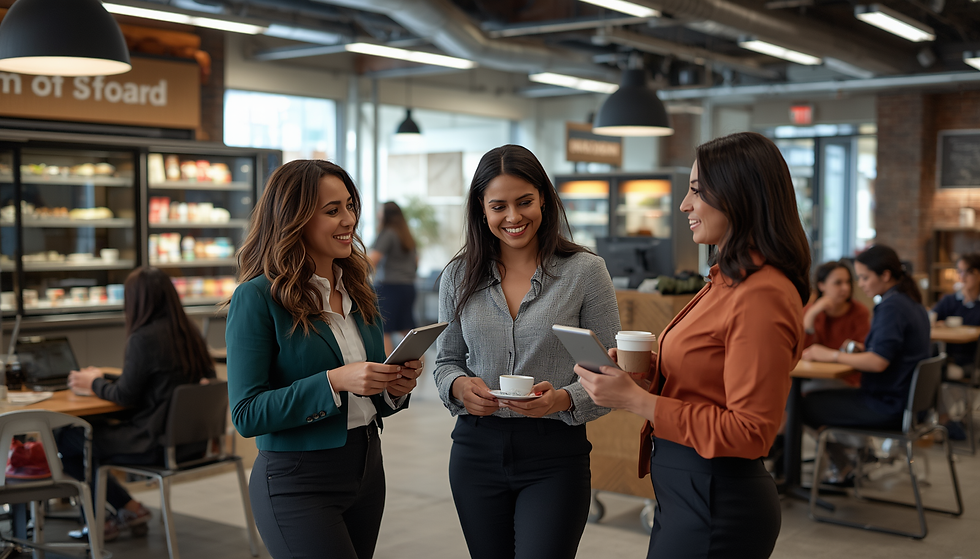
Meals are integrated into the day naturally
Breaks become shorter, more flexible, and more effective
Workflows remain uninterrupted
Food becomes part of the work rhythm — not a pause from it.
🌱 The Benefits of Moving Beyond Traditional Lunch Breaks
Workplaces adopting flexible food access see:
Improved Productivity: No sudden interruptions in workflow
Better Energy Management: Employees eat when their body needs it
Reduced Stress: No rush or pressure around meal timings
More Personalized Workdays: Employees control their own rhythm
Instead of one long break, employees experience continuous balance throughout the day.
🔮 Why This Change Is Inevitable
As work becomes more flexible, every rigid system is being questioned — including lunch breaks.
Employees today value:
Autonomy
Flexibility
Efficiency
And fixed lunch schedules don’t align with these expectations.
The shift toward on-demand food access is a natural evolution of modern work culture.
🎯 Conclusion: It’s Not the End — It’s an Upgrade
The lunch break isn’t disappearing — it’s evolving.
From a fixed, one-size-fits-all pause to a flexible, integrated part of the workday.
By adopting systems like Grubox that provide seamless food access, workplaces can support both productivity and well-being without compromise.
Because in the future of work,you won’t stop working to eat — eating will fit into how you work.


Comments